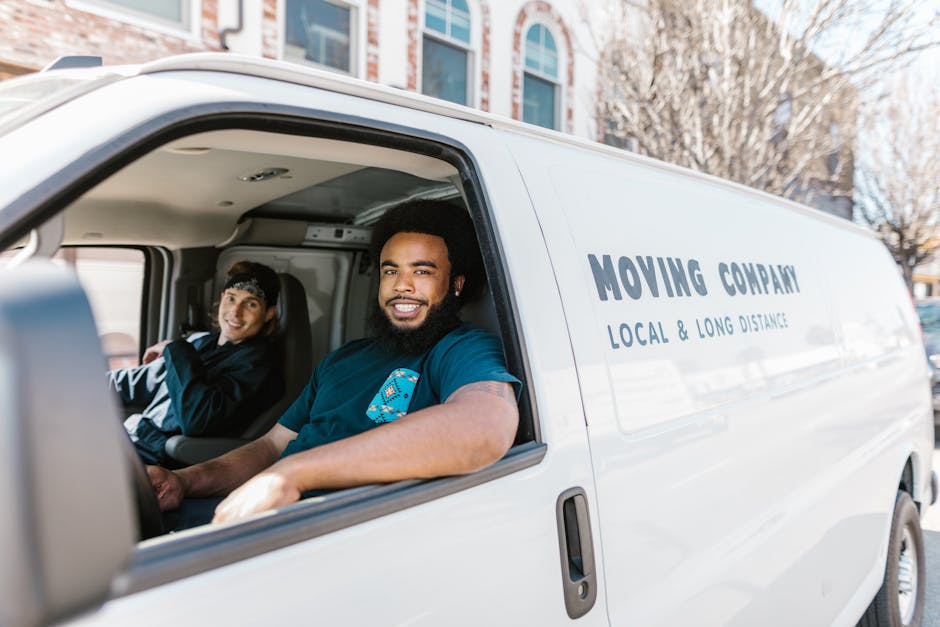
SW19 moving company tips for narrow street access
If you are moving in SW19, the biggest headache is often not the packing, the boxes, or even the stairs. It is the street. Tight bends, parked cars, low branches, awkward turns, and neighbours who still need to get out at 8:15am can make a simple move feel oddly complicated. That is exactly why smart SW19 moving company tips for narrow street access matter: they help you avoid delays, protect your belongings, and make the whole day feel less like a minor crisis.
In our experience, the difference between a smooth move and a stressful one is usually made long before the van arrives. A few careful checks, the right vehicle, and clear planning for access can save hours. This guide walks you through the practical side of moving on tight SW19 roads, from planning vehicle size to arranging loading points and choosing the right man and van or larger team for the job. No fluff. Just the stuff that actually helps.
Expert summary: narrow street access is mostly a planning problem, not a muscle problem. Measure honestly, communicate early, and choose a vehicle and crew that fit the street as well as the contents of the property.
Table of Contents
- Why SW19 moving company tips for narrow street access Matters
- How SW19 moving company tips for narrow street access Works
- Key Benefits and Practical Advantages
- Who This Is For and When It Makes Sense
- Step-by-Step Guidance
- Expert Tips for Better Results
- Common Mistakes to Avoid
- Tools, Resources and Recommendations
- Law, Compliance, Standards, or Best Practice
- Options, Methods, or Comparison Table
- Case Study or Real-World Example
- Practical Checklist
- Conclusion
- Frequently Asked Questions
Why SW19 moving company tips for narrow street access Matters
SW19 includes streets where parking is limited, turning space is tight, and a larger vehicle can quickly become a problem rather than a solution. If a removals truck cannot stop near the property, everything slows down. Carrying items further increases the risk of knocks, dropped boxes, and tired movers making rushed decisions. Not ideal, frankly.
There is also the knock-on effect. A van blocking a narrow street for longer than expected can annoy neighbours, delay access for residents, and create tension that nobody wants on moving day. The best moving companies treat access planning as part of the move itself, not a side issue. That is especially true in places where a standard-sized lorry might be too much, but a smaller removal van or two-man crew could be exactly right.
Good access planning also protects fragile items. If a sofa has to be twisted around a corner in the rain because the vehicle parked too far away, you are suddenly balancing speed against care. That is where the right advice matters. If you are comparing providers, look at the broader service options on removals and related support such as packing and unpacking services, because access issues often need more than a van and a strong back.
Key point: narrow access is not just about getting the van close. It is about creating a clean, safe, efficient path from property to vehicle, even when the street is doing its best to get in the way.
How SW19 moving company tips for narrow street access Works
At a practical level, narrow street moving is a sequence of small decisions. First, the mover assesses the property, the road width, the parking situation, and the distance from the front door to the vehicle. Then they decide what size van or truck is realistic. After that comes timing, loading order, and whether extra carrying equipment is needed.
A good company will usually ask questions such as: Can a vehicle turn safely? Is there space for loading? Are there trees, bollards, or resident bays? Is the street one-way? Can the front door open fully without blocking passers-by? These may sound like tiny details, but they change the whole operation. If a removals crew knows the street layout in advance, they can bring the right vehicle and avoid the classic moving-day scramble.
Sometimes the move works best with a smaller vehicle making a few careful trips. Sometimes the best answer is a larger van parked on a wider nearby road, with items carried safely along a short route. And sometimes, truth be told, the best answer is that a standard truck is simply not suitable. That is not a failure. It is good judgement.
For many homeowners, home moves in tight streets are easier when the process is handled by a team that understands local constraints. For mixed or lighter loads, a flexible option like man with van can be a very sensible fit. The key is matching the method to the street, not forcing the street to fit the method.
Key Benefits and Practical Advantages
The main benefit of planning for narrow street access is simple: fewer surprises. But the advantages go a bit deeper than that.
- Less risk of delays: the crew arrives with a vehicle that can actually access the street or a workable loading plan.
- Reduced damage risk: shorter, safer carrying distances usually mean fewer bumps and scrapes.
- Lower stress on the day: everyone knows where the van will stop and how items will move.
- Better neighbour relations: fewer blocked driveways, less disruption, and less reversing around corners.
- Smarter use of labour: the team spends time moving your belongings, not problem-solving from scratch.
There is also a commercial advantage if you are moving a business or office. Narrow access can quickly become a scheduling issue, especially when staff, equipment, and deliveries all need coordinating. In those cases, an organised office removals plan or broader commercial moves approach helps keep downtime under control. Nobody wants a Monday morning move to drift into Tuesday afternoon because the van could not get near the entrance. That sort of thing sticks in the memory.
Who This Is For and When It Makes Sense
This advice is useful for anyone moving in SW19 where the street is tight, parking is limited, or access is shared. That includes terraced homes, maisonettes, converted flats, small office units, and properties on roads where double parking is impossible or heavily restricted.
It is especially relevant if:
- your property sits on a narrow residential road
- there are frequent parked cars on both sides
- the front door opens straight onto the pavement
- you have bulky furniture like wardrobes, beds, or sofas
- you are moving during school run hours or commuter traffic
- you need a quick turnaround and cannot afford repeated trips
It also makes sense if you are comparing different service levels. A smaller load may suit man and van removals, while a larger house move may need a fuller team such as house removals. If you are unsure, it is usually better to over-prepare the access plan than to hope for the best. Hope is lovely. Planning is better.
Step-by-Step Guidance
- Measure the street and entrance properly. Check the width of the road, the turning points, kerb space, and the gap between the property and the nearest safe stopping place. If a van can stop only half a street away, that changes the entire move.
- Look at the parking situation at the exact time of day. A road that looks open at 10am can be packed by 4pm. If you can, do a quick walk-through at the same time your move is scheduled.
- Tell the removals company about every constraint. Mention low trees, tight corners, height limits, resident bays, one-way systems, gated access, and awkward entry points. Small facts make a big difference here.
- Choose the right vehicle size. A smaller van may be more practical than a large truck. A modest load in a tight street is often better handled by a lighter vehicle than by a giant one that needs three-point turns and a prayer.
- Plan the loading route. Decide where items will be carried from, where the van will wait, and who will guide larger items. If the route crosses a shared pavement or a bend, keep it clear and predictable.
- Pack for distance, not just for stacking. If items will be carried further than usual, boxes need to be closed well, furniture wrapped properly, and fragile items packed with a bit more care than normal.
- Keep essential items separate. Documents, chargers, medicine, snacks, and a kettle if you are that person. Moving day has a funny way of making the simple things important.
- Confirm the final plan the day before. Recheck arrival time, contact numbers, and any parking arrangements. The last-minute call can save a lot of head-scratching in the morning.
If you want a company that can handle the planning side as well as the lifting side, look at the wider support available through removal company and movers. It is often the organisation, not just the manpower, that makes the biggest difference.
Expert Tips for Better Results
Here are the details that experienced movers pay attention to, and yes, they matter more than people think.
1. Use a spotter when reversing or positioning
In a narrow SW19 street, reversing without a spotter is asking for trouble. A second person can guide the driver around mirrors, parked cars, and tight gates. It sounds basic, but so does wearing shoes, and still people forget.
2. Keep the loading order strategic
Load the heaviest items first if the route is manageable, but do not bury fragile or awkward items where they will get crushed. A narrow street move rewards tidy sequencing. You want fewer re-handling moments, not more.
3. Break down furniture before moving day
Desks, bed frames, and wardrobes are easier to carry when dismantled. This matters even more if the walkway is narrow or there are steps at the entrance. Fewer awkward angles. Fewer swears. Usually.
4. Protect floors and shared areas
If you are moving through a hallway, communal entrance, or shared path, floor covers and corner protection are worth considering. They reduce scuffing and show respect for the property. That matters with neighbours watching, because in close streets, everyone sees everything.
5. Ask about alternative vehicle options
Not every move needs a full-size truck. A smaller moving van or removal van may be easier to place safely. If the access is very tight, a lighter setup may save time rather than cost you it.
Common Mistakes to Avoid
The most common mistake is assuming the street will be "fine on the day." It might be. But it might not, and the difference can be expensive in time and effort. A few other errors show up again and again.
- Underestimating vehicle size: people book something bigger because it sounds efficient, then realise it cannot access the road properly.
- Ignoring parking restrictions: even a perfect loading plan fails if the van has nowhere legal and safe to stop.
- Not measuring large furniture: a sofa or wardrobe that fits indoors still has to clear gates, corners, and van doors.
- Leaving packing too late: rushed packing leads to damaged boxes and slower carrying.
- Failing to warn the movers about access issues: this one is common and avoidable. A company can only plan around what it knows.
One more thing: do not assume every narrow street requires a heroic lift-and-carry job. Sometimes the better answer is a change in timing, a different stopping point, or a smaller vehicle. Practical beats dramatic every time.
Tools, Resources and Recommendations
You do not need fancy kit to manage a narrow street move, but a few sensible tools help a lot. A measuring tape, phone photos of the street, and a simple floor plan can improve the initial quote and reduce confusion later.
Useful things to prepare:
- Photos of the road and entrance: include the street width, parked car patterns, and any awkward turns.
- Room list: note bulky items, number of boxes, and anything unusually fragile.
- Access notes: mention stairs, communal entrances, locked gates, and loading restrictions.
- Timing preferences: early morning, school-run window, or off-peak periods can all affect access.
- Insurance and policy information: if you need reassurance about protection and responsibility, the pages on insurance and safety and health and safety policy are useful reading.
For more planning-focused information, it may also help to review pricing and quotes so you understand how access issues can influence the estimate. And if you are trying to compare a smaller move against a full-service option, browsing removal services can help you see which support is worth including.
Law, Compliance, Standards, or Best Practice
Moving in a narrow SW19 street is not just a logistical issue; it also touches on safety, parking, and neighbour consideration. You do not need to become a legal expert to move house, but you should follow normal UK road and property access good practice. That means parking only where it is safe and permitted, not obstructing emergency access, and being mindful of shared spaces.
For commercial moves, there may be additional building or site rules. Offices, managed buildings, and mixed-use premises sometimes have loading bays, booking windows, or concierge instructions. Following those rules helps keep the day calm and avoids awkward conversations at reception. For that reason, a properly organised team offering office relocation services can be especially useful when access is constrained.
Best practice also includes clear communication, adequate insurance, safe manual handling, and realistic scheduling. A reliable moving company should be willing to talk through access limits rather than promise the impossible. If something sounds too easy, it probably is. The quiet confidence you want is the kind that comes from experience, not guesswork.
Options, Methods, or Comparison Table
When access is tight, the best moving method depends on what you are moving and how narrow the street really is. Here is a simple comparison to help you think it through.
| Method | Best for | Pros | Limitations |
|---|---|---|---|
| Small van / man and van | Light to medium loads, short moves, tight roads | Easier access, flexible parking, often quicker on narrow streets | May need multiple trips for larger homes |
| Standard removal van | Typical domestic moves with manageable access | Good balance of space and manoeuvrability | Can still struggle on very tight residential roads |
| Larger moving truck | Big moves where access is relatively workable | More capacity, fewer trips | Harder to position, reverse, and load in narrow streets |
| Split-load or staged move | Properties with severe access limits | Reduces street pressure and can be safer overall | Requires more planning and tighter coordination |
For many SW19 streets, the sweet spot is often a flexible crew using a sensible vehicle rather than the biggest one available. If you need something compact and adaptable, removals van options may be more practical than a larger truck. If the move is lighter, the simpler setup often wins.
Case Study or Real-World Example
Picture a typical SW19 terrace: parked cars on both sides, a narrow road, and a front door opening onto a short pavement. The property itself is not huge, but the staircase is awkward and there is one bulky wardrobe that has to come out carefully. Nothing dramatic. Just enough friction to make the day messy if nobody plans ahead.
In that kind of situation, the smartest approach is usually to pre-warn the team, send photos of the road, and choose a vehicle that can stop safely a short distance away without blocking the street. The crew then loads the van in the order that suits the carry route, keeps the path clear, and moves the wardrobe with two people rather than trying to muscle it alone. Bit by bit, the job stays controlled.
What tends to surprise people is how much calmer the day feels once the access plan is clear. The road still looks narrow. The weather may still be annoying. Someone may still have left a bin in the way. But the difference is that nobody is improvising under pressure. And that, honestly, is most of the battle.
Practical Checklist
Use this before the moving team arrives.
- Measure the street width and note any tight corners
- Check parking restrictions for the time of day
- Take photos of the entrance, road, and any obstacles
- List your largest furniture items
- Tell the movers about stairs, gates, and communal access
- Confirm whether a small van or larger vehicle is more realistic
- Pack fragile items securely and label them clearly
- Separate essentials for immediate access
- Keep phone numbers handy for the driver and main contact
- Review any building or landlord access instructions
- Make sure paths are clear of loose items, bins, and garden clutter
- Have a backup plan if the preferred stopping point is unavailable
If you are still comparing providers, it is sensible to look at removal companies and removals near me options carefully, but focus on whether they ask the right questions about access. That tells you more than a flashy promise ever will.
Conclusion
Narrow street access in SW19 does not have to derail a move. It just needs proper attention. If you measure the access honestly, choose a suitable vehicle, communicate the details early, and pack with the carry route in mind, the day becomes much more manageable. The street may still be tight, but the process does not need to be.
To be fair, the best moving companies make difficult access look easy because they have planned for the awkward bits before they arrive. That is what you are really paying for: calm judgement, sensible logistics, and fewer avoidable mistakes. Whether you are moving a flat, a family home, or an office, the same principle applies. Good access planning saves time, reduces stress, and keeps everyone a little happier.
Get a free quote today and see how much you can save.
And if you are ready to take the next step, start by choosing a mover who understands narrow streets, respects the neighbourhood, and treats planning like part of the service. That little bit of care goes a long way.
Frequently Asked Questions
What should I tell a moving company about narrow street access in SW19?
Tell them the street width, parking conditions, any one-way restrictions, the distance from the property to the vehicle, and whether there are steps, gates, or low branches. Photos help too. The more accurate the picture, the easier it is for the company to plan the right vehicle and team.
Is a small van better than a large removal truck for narrow streets?
Often, yes. A smaller van can be easier to position, safer to reverse, and more practical on tight residential roads. A larger truck may still work if access is wide enough, but if the street is especially narrow, a more compact vehicle is usually the better choice.
How do I know if my street is too narrow for a removals van?
If parked cars leave only a single-car-width lane, turning space is limited, or the van would block traffic while loading, the street may be too tight for a standard vehicle. A good mover will usually assess this from photos or a site visit and suggest a workable alternative.
Should I reserve parking for moving day?
If possible and allowed, yes. Reserved or clearly planned parking can reduce delays and stop the crew from having to carry items much further than expected. Always follow local rules and building guidance, though, because not every street or property allows the same arrangements.
Can a man and van service handle narrow SW19 streets?
Very often it can. A flexible man and van setup is often well suited to tight streets, smaller homes, and shorter moves. It is not always the answer, but for many access-limited moves it is a strong practical option.
What is the best time of day to move on a narrow road?
Usually a quieter time when parking pressure is lower and traffic is lighter. Early mornings can work well, but the best slot depends on local conditions, school traffic, and any restrictions on the road. Small difference, big effect.
Do I need to dismantle furniture for a narrow street move?
If items are bulky or awkward, dismantling them is often a good idea. It makes carrying easier through tight entrances and reduces the risk of damage. Wardrobes, bed frames, and large desks are the usual suspects.
What if the removals van cannot park right outside my property?
Then the team may need to stop at the nearest safe and legal point and carry items the rest of the way. That is common in tight SW19 streets, and a prepared crew will plan for it. The important part is knowing the carry distance in advance.
Are there extra costs for difficult access?
Sometimes there can be, especially if access adds significant carrying time, requires a second vehicle, or means a larger team is needed. It is best to ask upfront so the quote reflects the real job rather than a best-case guess.
How can I make moving day easier for the crew?
Clear paths, label boxes well, keep essentials separate, and share access details early. If possible, have someone available to answer questions on the day. A few minutes of organisation can save a lot of back and forth later.
What should office moves in narrow streets pay special attention to?
Office moves need extra attention to loading windows, building rules, staff access, and equipment handling. If the site is in a tight street, it is wise to plan the van position and carry route carefully so the move does not disrupt the building or surrounding traffic more than necessary.
Where can I find more help with a narrow-access move?
It helps to review the company's information on health and safety, insurance and safety, and pricing and quotes. Those pages give you a better sense of how the move will be handled and what level of support you can expect.